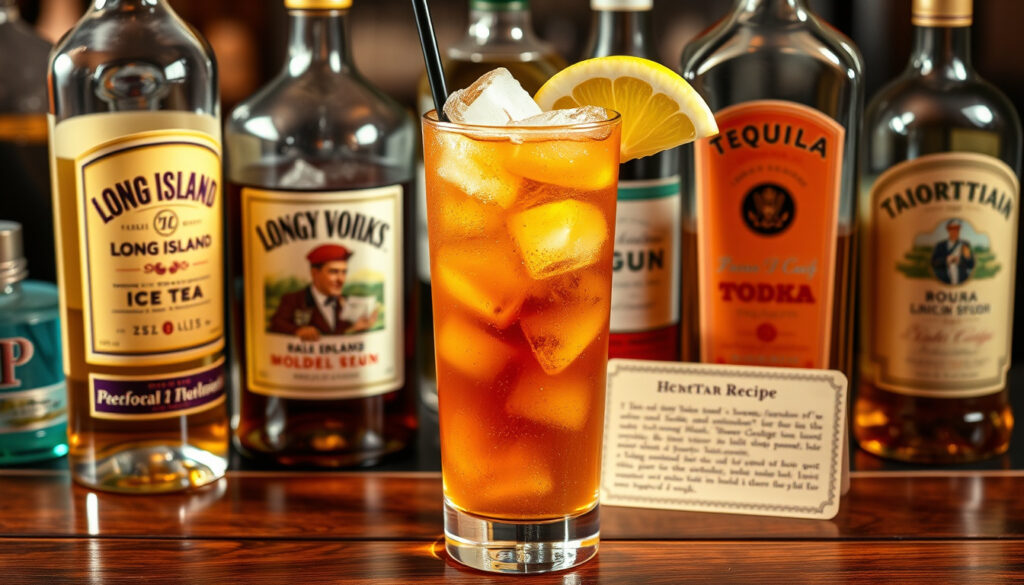
Long Island Iced Tea – Recipe, History and Variations
The Long Island Iced Tea stands as one of the most misunderstood cocktails in modern bartending. Despite its refreshing, tea-like appearance, this potent drink contains five distinct spirits, making it significantly stronger than most other mixed beverages. First created in the early 1970s, it has become an IBA official cocktail and a staple at bars worldwide.
Its name derives entirely from visual resemblance to iced tea rather than any actual tea content. The dark amber color comes from cola, while the citrus and syrup mixture creates a refreshingly deceptive sweetness that masks the high alcohol content. Understanding what goes into this controversial drink reveals why it remains both popular and controversial.
This guide covers the complete recipe, preparation methods, historical background, and variations so you can appreciate—or avoid—this powerful cocktail with full knowledge of what you’re consuming.
What Is a Long Island Iced Tea?
A Long Island Iced Tea is a high-alcohol mixed drink that combines five base spirits with citrus juice, simple syrup, and cola. The result resembles an iced tea in color and presentation but delivers an alcohol content equivalent to three or four standard drinks in a single serving.
Unlike traditional cocktails that feature one or two spirits, this drink uses vodka, gin, white rum, tequila, and triple sec in roughly equal proportions. The combination creates a complex flavor profile where none of the individual spirits dominates, allowing the citrus and cola to dominate the palate.
The drink is typically served over ice in a highball glass and garnished with a lemon or lime wedge. Its deceptive appearance and sweet taste have contributed to its reputation as a particularly dangerous cocktail, especially for those unaware of its true strength.
Despite tasting like a refreshing iced tea, a standard Long Island Iced Tea contains approximately 22-28% ABV, making it significantly stronger than most beer, wine, or spirit-based cocktails served in bars today.
Key Facts Overview
1970s, Long Island, NY
22-28% ABV estimated
Tastes like iced tea, contains no actual tea
IBA Official Cocktail
Why the Name?
The name refers exclusively to the drink’s amber color, which closely mirrors that of freshly brewed iced tea. Bartenders at the Oak Beach Inn where the drink was invented intentionally crafted this visual deception. No tea leaves, tea concentrate, or tea-based ingredients appear in any traditional recipe.
The cola provides the tea-like coloring while lemon juice and simple syrup create the sweet-tart balance typical of sweetened iced tea. This visual mimicry has made the drink both famous and infamous—it looks innocent but delivers substantial intoxication.
What Sets It Apart
Several characteristics distinguish the Long Island Iced Tea from other cocktails:
- Uses five different base spirits rather than one or two
- Contains no actual tea despite its name and appearance
- Achieves notably high alcohol content without tasting strongly alcoholic
- Relies on cola and citrus to create its signature deceptive flavor
- Has become an IBA official cocktail, validating its cultural significance
Long Island Iced Tea Ingredients
The ingredient list for a Long Island Iced Tea follows a consistent pattern across reputable sources, though exact measurements vary depending on the bartender or establishment. The International Bartenders Association officially specifies 15 ml of each spirit as the standard, though many bars use slightly larger pours.
The Five Spirits
The foundation of any Long Island Iced Tea consists of five spirits in roughly equal proportions. Each contributes distinct characteristics to the final drink:
- Vodka – Provides a clean, neutral spirit base (typically ½ oz or 15-20 ml)
- Gin – Adds botanical complexity with juniper and herb notes (½ oz or 15-20 ml)
- White Rum – Contributes subtle sweetness and tropical undertones (½ oz or 15-20 ml)
- Tequila – Adds earthy agave flavors and slight sweetness (½ oz or 15-20 ml)
- Triple Sec or Cointreau – Supplies orange citrus notes and additional sweetness (½ oz or 15-20 ml)
Mixers and Additives
The mixers balance the spirits and create the signature tea-like appearance:
- Lemon Juice – Freshly squeezed is preferred, adds bright citrus acidity (¾-1 oz or 20-25 ml)
- Simple Syrup – Provides sweetness and helps dissolve other ingredients (½-1 oz or 15-30 ml)
- Cola – Fills the glass and creates the characteristic amber color (topped to fill)
Different sources recommend varying amounts. European Bartender School uses 20 ml of each spirit with 10 ml syrup. A Bar Above specifies ½ oz spirits with ½ oz syrup and ¾ oz lemon juice. Adjust to your taste preferences while maintaining the spirit ratio.
Ingredient Comparison Table
| Ingredient | Standard Amount | Type |
|---|---|---|
| Vodka | ½ oz / 15 ml | Spirit |
| Gin | ½ oz / 15 ml | Spirit |
| White Rum | ½ oz / 15 ml | Spirit |
| Tequila | ½ oz / 15 ml | Spirit |
| Triple Sec/Cointreau | ½ oz / 15 ml | Liqueur |
| Lemon Juice | ¾-1 oz / 20-25 ml | Citrus |
| Simple Syrup | ½-1 oz / 15-30 ml | Sweetener |
| Cola | Top to fill | Mixer |
How to Make a Long Island Iced Tea: Step-by-Step
Preparing a Long Island Iced Tea requires careful attention to proportions and technique. While the drink appears simple, achieving the right balance between the five spirits and mixers determines whether the result tastes refined or harsh.
Gather Your Equipment
Before beginning, ensure you have the necessary tools:
- Highball glass (10-12 oz capacity)
- Boston shaker or large cocktail shaker
- Jigger or measuring device for accurate pours
- Strainer
- Ice cubes and crushed ice
- Bar spoon for stirring
The Preparation Method
Follow these steps for a properly balanced Long Island Iced Tea:
- Fill the highball glass with ice cubes to the top. This dilutes the drink appropriately and keeps it cold throughout consumption.
- Combine spirits in the shaker – Add vodka, gin, white rum, tequila, and triple sec or Cointreau. Preppy Kitchen recommends using ½ oz of each spirit for a balanced result.
- Add citrus and sweetener – Pour in fresh lemon juice and simple syrup. Some recipes substitute sour mix, though fresh ingredients yield superior flavor.
- Add ice to the shaker – Fill the shaker approximately two-thirds full with ice to ensure proper chilling and dilution during shaking.
- Shake vigorously – Shake the mixture for 10-15 seconds until well chilled. This step integrates the spirits and creates the proper texture.
- Strain into the prepared glass – Pour the mixture over the ice already in the highball glass.
- Top with cola – Fill the remainder of the glass with cola, typically 1-2 oz depending on glass size.
- Garnish and serve – Add a lemon or lime wedge on the rim or floating in the drink for visual appeal and subtle citrus aroma.
Given the high alcohol content, consider preparing smaller portions or diluting with additional cola if serving to those with lower alcohol tolerance. The sweet taste can lead to faster consumption than the alcohol content would suggest.
Pro Tips for Better Results
Professional bartenders emphasize several techniques for improving your Long Island Iced Tea:
- Use quality spirits rather than the cheapest options—harsh liquors become more pronounced in this drink
- Squeeze fresh lemon juice rather than using bottled juice for brighter, cleaner citrus flavor
- Chill all ingredients beforehand to minimize dilution from melting ice
- Pour cola slowly to maintain carbonation and prevent excessive foaming
- Adjust sweetness to taste—some prefer more syrup while others enjoy a tarter profile
The History and Origins of the Long Island Iced Tea
The Long Island Iced Tea emerged from the vibrant bar culture of the early 1970s, specifically from Long Island, New York. The drink’s invention is attributed to Robert “Rosebud” Butt, a bartender who worked at the Oak Beach Inn in Babylon, New York, located near Fire Island.
Robert Butt and the Oak Beach Inn
According to established accounts, Robert Butt created the drink in 1972 while working at the Oak Beach Inn. The establishment served as a popular gathering spot during the disco era, attracting crowds seeking both entertainment and innovative cocktails.
Sources indicate Butt developed the recipe during a competition or challenge involving creating a new cocktail using citrus and tea-like qualities. The resulting drink leveraged the visual deception of iced tea combined with the potency of multiple spirits to create something entirely new.
The Oak Beach Inn has since closed, but the drink Butt created has spread globally and achieved official recognition from the International Bartenders Association. A Bar Above notes that an older version using bourbon, lemon/lime, and maple syrup predated Butt’s modern five-spirit formula, suggesting earlier experiments with the iced tea concept.
Spread and Popularization
Following its invention, the Long Island Iced Tea gained popularity through the 1980s and 1990s as bar culture expanded and cocktail menus became more adventurous. Its reputation as a potent drink made it particularly popular at college parties and bars targeting younger crowds.
The drink eventually earned IBA official status, cementing its place among the world’s recognized cocktails. This recognition brought standardized recipes and broader awareness, though variations remain common depending on regional preferences and individual bartender creativity.
Origins Outside Long Island?
Some sources mention disputed claims of similar drinks existing in Tennessee or other regions before 1972, but these remain unverified and contested. The general consensus among bartending historians credits Butt with the modern version containing five spirits.
How Strong Is a Long Island Iced Tea?
The Long Island Iced Tea ranks among the stronger cocktails commonly served in bars today. Its combination of five spirits means that even with mixer dilution, the alcohol content remains substantially higher than most single-spirit cocktails or beers.
Alcohol Content Analysis
Using standard measurements with spirits at approximately 40% ABV each:
- Total spirit volume: approximately 2½ oz (75 ml) across five spirits
- Estimated ABV after mixing: 15-25% depending on portions and cola amount
- Equivalent to approximately 3-4 standard drinks per serving
- The cola sweetness masks the alcohol taste, leading to faster consumption
According to A Bar Above, the drink delivers significant alcohol despite appearing light and refreshing. The cola and citrus combination creates a deceptive sweetness that prevents the palate from recognizing the alcohol intensity.
A standard Long Island Iced Tea contains approximately 200-300 calories per serving, depending on specific measurements and cola amount. The sugar syrup contributes significantly to this count—roughly 62 calories for just 10 ml of syrup—while the spirits themselves account for additional caloric content.
Why It Packs a Punch
Several factors contribute to the Long Island Iced Tea’s potency:
- Five spirits combine multiplicatively rather than additively in terms of effect
- The sweet taste prevents natural moderation triggered by bitterness or burn
- Ice dilution is limited by the high sugar content preventing proper chilling
- Social contexts often encourage rapid consumption
- Carbonation from cola accelerates alcohol absorption in the stomach
Responsible Consumption Guidelines
Given its strength, the Long Island Iced Tea deserves respect and careful consumption practices. Bartenders recommend using quality spirits rather than cheap ones to avoid harshness, and some suggest splitting one drink over an extended period or diluting with additional soda water.
Variations on the Long Island Iced Tea
While the classic recipe remains the standard, numerous variations exist to accommodate different tastes, alcohol tolerances, and occasions. These adaptations range from spirit substitutions to complete non-alcoholic versions.
Spirit Substitutions
Some bartenders modify the spirit base to create distinctive flavor profiles:
- Spiced Rum Variation – Substituting spiced rum for white rum adds warm baking spice notes
- Bourbon Version – An older recipe used bourbon instead of the five-spirit mix for a smoother, sweeter profile
- Flavored Vodka – Citrus or vanilla vodka can enhance specific aspects of the drink
- Reduced Spirit Versions – Some recipes call for smaller proportions of each spirit to create a milder experience
Mixer Modifications
Adjusting the non-alcoholic components allows for different taste experiences:
- Sour Mix Alternative – Some recipes substitute commercial sour mix for separate lemon juice and simple syrup
- Diet Cola – Reduces calories though may alter the flavor balance
- Extra Citrus – Adding lime juice or using a lemon-lime combination increases tartness
- Less Syrup – Reducing simple syrup creates a tarter, less sweet version
Non-Alcoholic Long Island Iced Tea
Creating a mocktail version requires careful attention to maintaining the visual and taste characteristics without alcohol:
- Replace spirits with non-alcoholic alternatives such as non-alcoholic rum or vodka if available
- Use actual black or green tea as a base for color and subtle flavor
- Increase citrus and syrup quantities to compensate for missing spirits
- Top with cola and serve over ice with a lemon garnish
While no definitive non-alcoholic recipe appears in standard sources, adapting the citrus and cola foundation while eliminating spirits produces an acceptable mocktail version that captures the essence of the original.
A Timeline of Key Events
The Long Island Iced Tea’s history spans several decades, with key milestones marking its development from local creation to international recognition.
- 1940s – Disputed early recipe claims surface, though evidence remains limited and contested
- 1972 – Robert Butt invents the modern five-spirit version at the Oak Beach Inn in Babylon, New York
- 1970s-1980s – The drink spreads through Long Island bars and gains popularity in disco-era nightlife
- 1980s-2000s – Becomes a bar staple nationwide, known for its potency and deceptive taste
- 2011 – The International Bartenders Association adds the Long Island Iced Tea to its official cocktail list
- Present – Continues to be served worldwide, with ongoing variations and adaptations
What We Know and What Remains Uncertain
When examining the Long Island Iced Tea’s history and characteristics, certain facts are well-established while others remain subjects of debate or lack definitive documentation.
| Established Facts | Uncertain or Debated Information |
|---|---|
| Robert Butt created the drink in 1972 at Oak Beach Inn | The exact circumstances and competition that inspired its creation |
| The IBA officially recognizes the recipe with specific measurements | Precise pre-1970s origins and whether similar drinks existed |
| Five spirits form the standard base: vodka, gin, rum, tequila, triple sec | The year the IBA officially added the drink to its list |
| The name derives from the drink’s visual resemblance to iced tea | The extent of Tennessee or southern claims to similar predecessors |
| The drink contains no actual tea despite its name | Specific documentation of the original Oak Beach Inn recipe |
The Long Island Iced Tea’s Cultural Significance
The Long Island Iced Tea occupies a unique position in cocktail culture, simultaneously celebrated for its innovation and criticized for its potency. Understanding its place in broader drinking history provides context for its enduring popularity.
The drink emerged during an era of cocktail experimentation, when bartenders increasingly sought to create visually distinctive and potent drinks for an expanding bar-going public. Its success inspired countless imitators and variations, contributing to the development of modern mixology.
Today, the Long Island Iced Tea remains a litmus test for bartenders—a complex drink that requires managing multiple ingredients efficiently in busy bar environments. Some establishments have simplified or omitted it from menus due to the time and skill required to prepare it properly.
Its reputation as a “dangerous” drink stems from the combination of sweet taste and high alcohol content, creating a perfect storm for rapid intoxication. Health professionals and responsible drinking advocates often single it out when discussing the risks of deceptive cocktails.
Expert Perspectives and Sources
Several authoritative sources inform our understanding of the Long Island Iced Tea:
The IBA official specification provides the most widely accepted recipe, defining the standard proportions of each spirit and mixer that define an authentic Long Island Iced Tea.
Professional bartending schools such as the European Bartender School provide detailed instructional recipes that supplement the official IBA specification with practical guidance for home preparation.
Food and drink publications including A Bar Above and Preppy Kitchen offer recipe variations and technique recommendations based on professional bartender experience and testing.
These sources collectively establish the recipe foundation while acknowledging variations in measurement that reflect both regional preferences and individual bartender judgment.
Ready to Explore Further?
The Long Island Iced Tea represents a fascinating intersection of mixology, visual art, and drinking culture. Whether you choose to prepare one yourself or simply appreciate its place in cocktail history, understanding its components, preparation, and context enhances the experience.
For those interested in expanding their cocktail knowledge, exploring related topics like Halal Hotel Buffet Singapore and Sofitel Singapore City Centre offers insight into how different regions approach beverage service and hospitality standards.
Approach the Long Island Iced Tea with knowledge, respect its strength, and enjoy it responsibly if you choose to experience this iconic cocktail firsthand.
Frequently Asked Questions
How many calories are in a Long Island Iced Tea?
A standard Long Island Iced Tea contains approximately 200-300 calories per serving. The exact count depends on specific measurements, syrup amounts, and cola content. The sugar syrup alone contributes around 62 calories per 10 ml, while each spirit adds additional calories ranging from 43 calories for vodka to 72 calories for Cointreau.
Can you make a non-alcoholic Long Island Iced Tea?
Yes, you can create a non-alcoholic version by replacing spirits with non-alcoholic alternatives or using actual tea as a base. Replace the five spirits with non-alcoholic rum or vodka alternatives if available, increase citrus and syrup quantities, and top with cola for the characteristic appearance. While not traditional, this adaptation captures the essence of the original.
Why does a Long Island Iced Tea taste like iced tea?
The drink tastes like iced tea due to its amber color from cola combined with the sweet-tart balance from lemon juice and simple syrup. The citrus and sugar create the same flavor profile as sweetened iced tea, while the cola provides both color and carbonation. No actual tea is used—the resemblance is purely visual and gustatory coincidence.
Who exactly invented the Long Island Iced Tea?
Robert “Rosebud” Butt, a bartender at the Oak Beach Inn in Babylon, New York, is credited with inventing the modern Long Island Iced Tea in 1972. Some disputed claims suggest similar drinks existed earlier in Tennessee or elsewhere, but the five-spirit version widely recognized today traces directly to Butt’s creation at the Long Island establishment.
How does the IBA recipe differ from other versions?
The IBA official recipe specifies 15 ml of each spirit (vodka, gin, rum, tequila, Cointreau), 25 ml lemon juice, and 30 ml simple syrup, topped with cola. Many bar recipes use slightly larger pours (½ oz or 20 ml) or substitute sour mix for separate lemon and syrup. The spirit proportions remain consistent across most versions.
Is a Long Island Iced Tea dangerous to drink?
The drink’s combination of five spirits with sweet mixers creates a risk of rapid intoxication, particularly because the taste does not suggest such high alcohol content. Consuming one or more drinks quickly can lead to significant impairment. The cocktail deserves respect for its strength, and responsible consumption practices—including pacing and food consumption—are strongly advised.
What glassware should be used for a Long Island Iced Tea?
A highball glass holding 10-12 ounces is the traditional choice. The tall glass accommodates the ice, spirit mixture, and cola topping while providing adequate volume for the garnished presentation. Some variations use a slightly smaller collins glass, but the highball remains the standard for both visual appeal and practical preparation.
Can the recipe be made in advance for parties?
While you can pre-mix the spirits and non-carbonated ingredients in a pitcher, the drink is best prepared fresh. Pre-mixing without ice and carbonation can work for large batches, but adding cola and ice should happen immediately before serving to preserve carbonation and minimize excessive dilution. Shaking with ice and straining fresh ensures proper texture and temperature.
More related posts
 Sofitel Singapore City Centre – Location and Amenities Guide
 Evelyn Lam Leaves Mediacorp After 17 Years: Psychology Pivot
 Popeye the Sailor Man: Origin, Characters & Legacy
 Jang Keun-suk: Career, Marriage, and Why Japan Loves Him
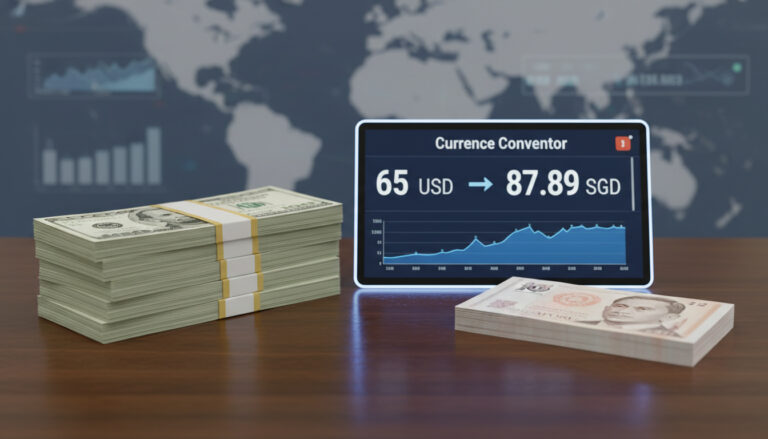 65 USD to SGD – Current Rate, History and Conversion Tips
 Patta Chitta Online in Tamil: View & Download Guide 2025
 Dewakoin99 Gacor Login: Access the Situs Slot Site
 McDonald Happy Meal Toy Singapore – 2024 Promotions Dates and Tips